
Origins
Samuel de Champlain
The office’s origins reach back to New France. Champlain performed several responsibilities of a governor without officially holding the title, a legacy distinct from today’s federal office.
Official source →

Proudly wear the colours of the Crown Society of Canada and support our mission to promote, protect and strengthen awareness of Canada's constitutional monarchy.
This Crown Society of Canada polo shirt is made to a high standard of quality. Its 100% polyester piqué fabric is durable, moisture-wicking and designed to help prevent odours. It is made with ChromaSoft™ technology.
Our shop will continue to grow over the coming months. More items featuring the Crown Society of Canada will be available soon. Check back regularly to discover our newest merchandise.
Certain membership levels may include shop-related benefits and privileges. Visit the Membership page to review the benefits associated with your membership level.

65 Nancy-Elliott Street #202, Gatineau, QC, Canada, J9H 0G3
+1 (418) 957-9118




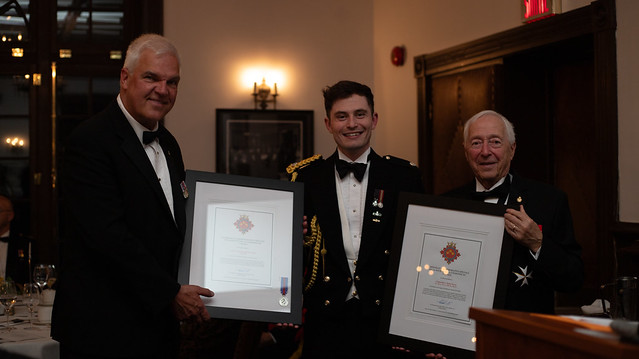

Regular membership represents crucial support for the Crown Society of Canada. Select your membership type in the form below.
*Bronze student members and Silver Royal Canadian Legion members must complete and submit the CSC - Proof of Eligibility for Discount Form.
**By becoming a member you agree to our Privacy Policy and Personal Information Protection Policy.
For honourable service rendered to the Crown. By invitation only.
FREEAt the sole discretion and invitation of the National President of the Crown Society of Canada.
FREE⚠️ Important — Auto-Renewing Subscription: All memberships are annual subscriptions that renew automatically each year. It is your responsibility to notify the Society before the renewal date if you do not wish to renew your membership — you must cancel at least 5 business days before the renewal date. After this deadline, your membership will be automatically renewed and charged, and no refund will be issued, regardless of the reason.
Two simple steps to join the Crown Society of Canada.
Tell us a bit about yourself and your motivation for joining the Society.
↓ Fill out the form directly below ↓
After submitting your request, a payment button will automatically appear based on your selected membership type.
Crown Society of Canada
Your generosity supports the Society's mission: celebrating our constitutional monarchy, protecting our heritage, and promoting our institutions.
MAKE A DONATIONThe Governor General represents His Majesty the King in Canada, while the ten Lieutenant Governors represent the Crown in each province.
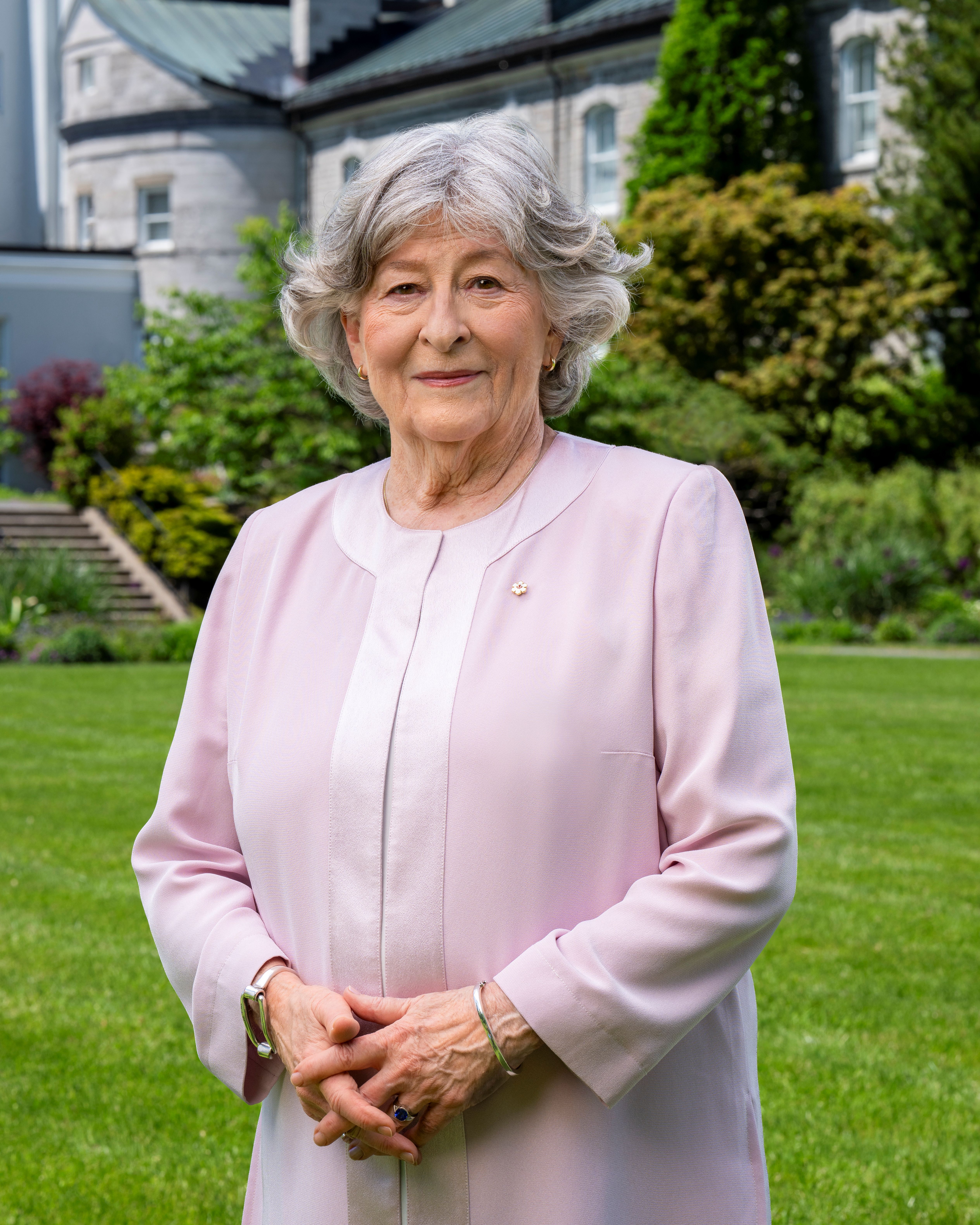
The Governor General represents His Majesty the King of Canada at the federal level. The office is at the heart of the country's constitutional continuity and, on behalf of the Sovereign, carries out numerous parliamentary, ceremonial and military functions.
Her Excellency the Right Honourable Louise Arbour was sworn in on 8 June 2026 as Canada's 31st Governor General.
Born in Montréal, Louise Arbour earned her law degree at the Université de Montréal in 1970. Following an academic and judicial career in Ontario, she served as Chief Prosecutor of the International Criminal Tribunals for the former Yugoslavia and Rwanda from 1996 to 1999.
She served on the Supreme Court of Canada from 1999 to 2004, then as United Nations High Commissioner for Human Rights from 2004 to 2008. Her career also includes leading the International Crisis Group and a United Nations mandate on international migration.
Read her official biography →From the origins in New France to today’s officeholders: explore fourteen milestones by scrolling through the cards.
On your phone, swipe through the cards. Automatic scrolling pauses while you read with the pointer over the carousel or keyboard focus inside it.
The office’s origins reach back to New France. Champlain performed several responsibilities of a governor without officially holding the title, a legacy distinct from today’s federal office.
Official source →With Confederation, Lord Monck becomes Canada’s first Governor General. He had previously been Governor of British North America.
Official source →Lord Stanley donates a trophy for Canada’s best amateur hockey club. It will become the famous Stanley Cup.
Official source →His installation is the first broadcast by radio across the country. In 1932, he inaugurates the trans-Canada telephone network by calling the Lieutenant Governors.
Official source →George VI authorizes the Governor General to exercise the Sovereign’s powers concerning Canada within the framework of the Letters Patent. They also establish the office’s role as Commander-in-Chief.
Official source →Vincent Massey becomes the first Canadian-born person appointed Governor General. Since this appointment, all holders of the office have been Canadian citizens.
Official source →A military officer and diplomat, Georges Vanier takes office. With Pauline Vanier, he supports young people and families; their 1964 conference helps lead to the creation of the Vanier Institute of the Family.
Official source →Roland Michener takes office during the centennial of Confederation. His term begins in a year filled with celebrations and visits by dignitaries.
Official source →Jeanne Sauvé becomes Canada’s first woman Governor General. She had also been the first woman elected Speaker of the House of Commons and champions young people and peace.
Official source →Born in Memramcook, New Brunswick, Roméo LeBlanc is the first Acadian Governor General and the first from the Maritimes. He arrives at Rideau Hall after a career in teaching, journalism and public life.
Official source →Born in Hong Kong, Adrienne Clarkson arrives in Canada with her family as a refugee in 1942. She becomes Governor General in 1999.
Official source →Born in Haiti, Michaëlle Jean arrives in Canada in 1968 with her family, who are fleeing dictatorship. She takes office in 2005.
Official source →Sworn in on 26 July 2021, Mary Simon becomes Canada’s first Indigenous Governor General. Her career is shaped by advocacy for Inuit rights and work on Arctic issues.
Official source →Louise Arbour becomes the 31st Governor General on 8 June 2026. Her career spans Canadian justice, international criminal law and the defence of human rights.
Official source →Each province has a Lieutenant Governor appointed by the Governor General on the advice of the Prime Minister of Canada. They represent His Majesty the King in their province.


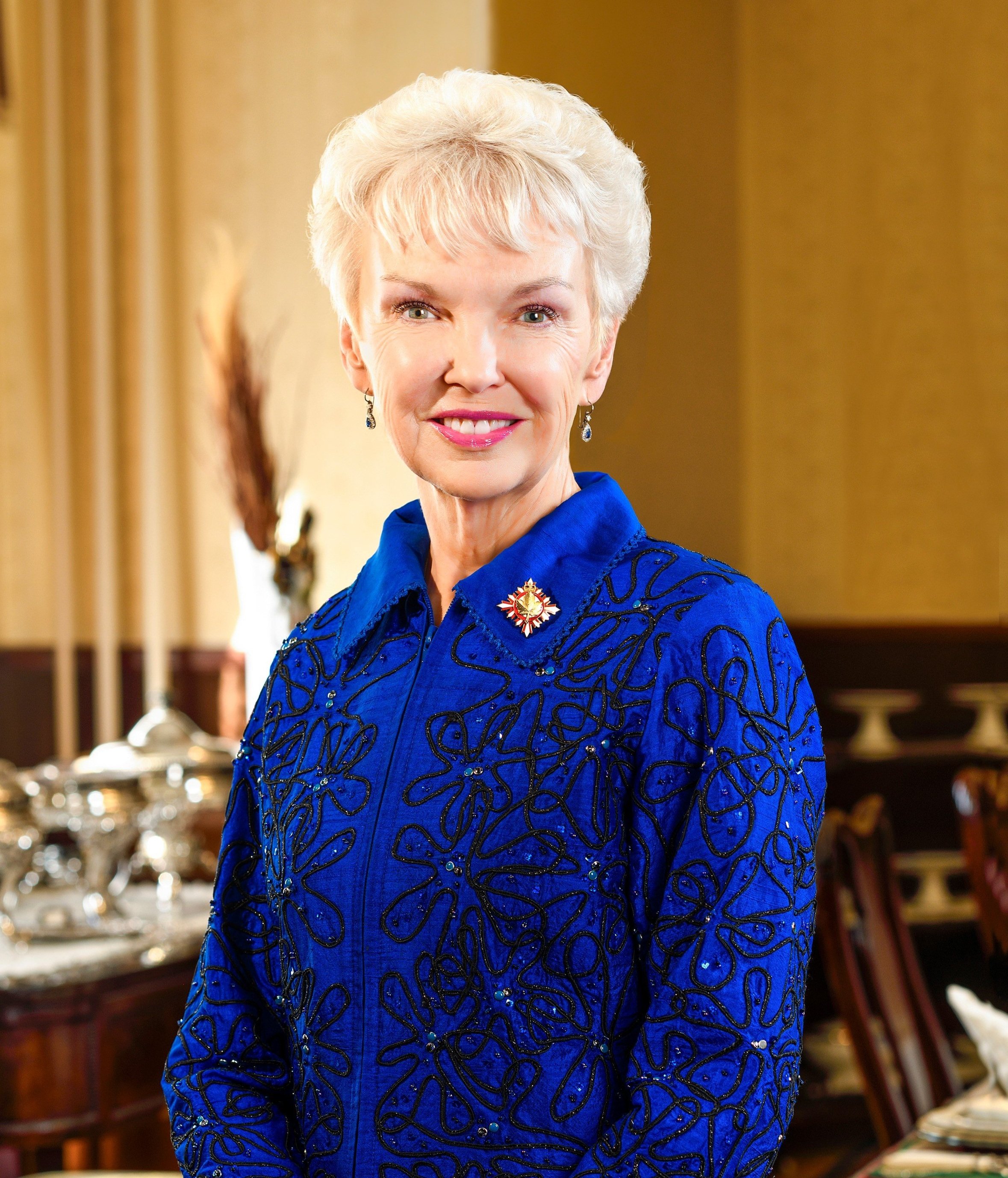

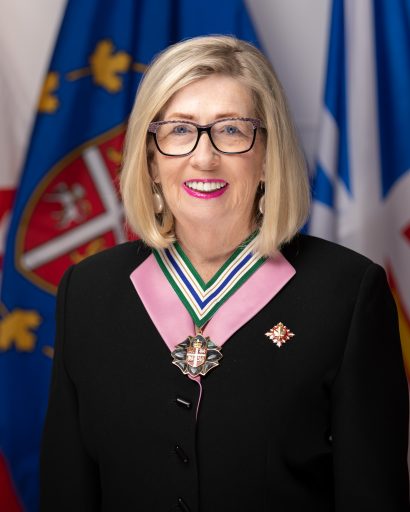
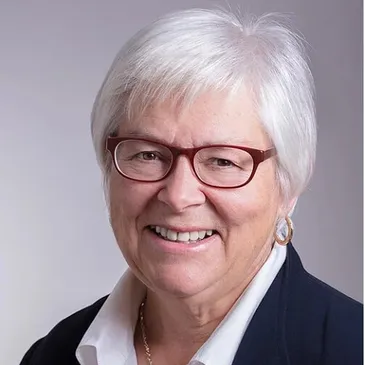
The Commissioners perform several functions comparable to those of Lieutenant Governors, but they are not representatives of His Majesty the King. They are appointed by the Governor in Council.


From Rideau Hall to the ten provinces, the institutions of the Crown provide a constitutional and ceremonial presence across Canada. In the three territories, Commissioners perform several comparable functions within territorial government.

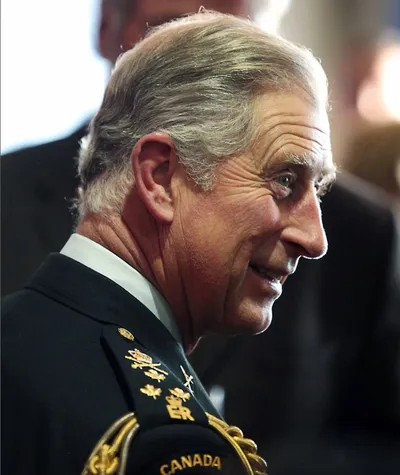
An institution at the heart of Canada's history, Constitution and identity.

Canada is a constitutional monarchy. The Crown in Canada was first established by the kings of France in the 16th century, when Canada formed part of the Kingdom of France. Kings and queens of France and Britain have reigned over Canada since 1534. Under Canada's sovereigns, the country evolved from a French colony into an independent nation. Today, the Crown remains at the heart of our democratic institutions: it is a source of lawful authority, a symbol of historical continuity and a unifying institution for Canadians regardless of origin, language or region.
Although the same Sovereign reigns simultaneously over Canada, the United Kingdom and several other Commonwealth realms, the Canadian Crown is legally distinct from the British Crown. The King of Canada acts solely on the advice of his Canadian ministers and within the framework of the Canadian Constitution, independently of his role in the United Kingdom.
In today's constitutional monarchy, His Majesty King Charles III is King of Canada and Canada's Head of State. He is the embodiment of the Crown in Canada. Within our system of government, authority is vested in the Crown, while elected governments exercise that authority in the name and for the benefit of the people.
The Crown ensures the continuity of the State, grants Royal Assent to legislation, summons and dissolves Parliament, and contributes to the proper functioning of parliamentary government.
It embodies values of service, stability and continuity that transcend governments and partisan allegiance.
It unites Canadians around shared institutions and remains present in the oaths taken by new citizens, parliamentarians, members of the military and police officers.
Far from being static, the Canadian monarchy has continually adapted to the country's evolving identity. It has embraced official bilingualism, recognized Canada's cultural and Indigenous diversity, and strengthened its connection with citizens through an active presence in communities, the Canadian Armed Forces and charitable organizations.
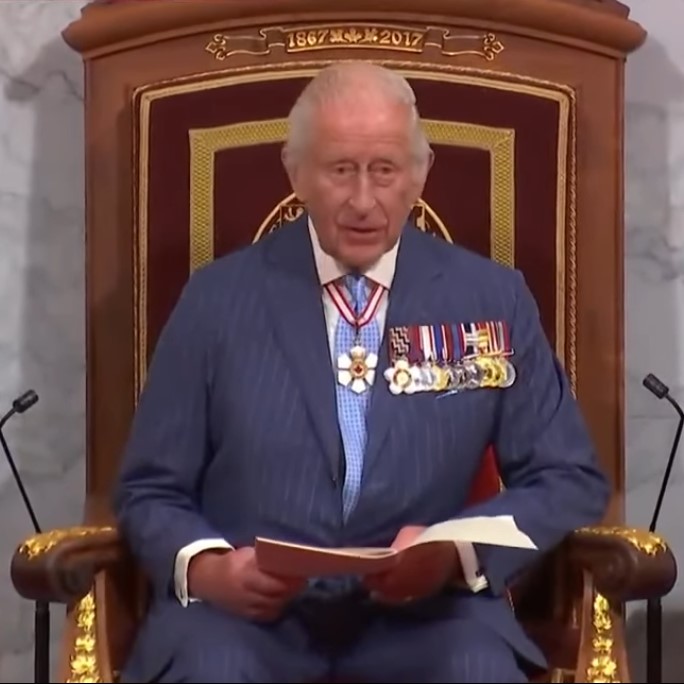
His Majesty King Charles III is Canada's Sovereign and Head of State.
The Governor General represents the Crown at the federal level and performs many functions on behalf of the King.
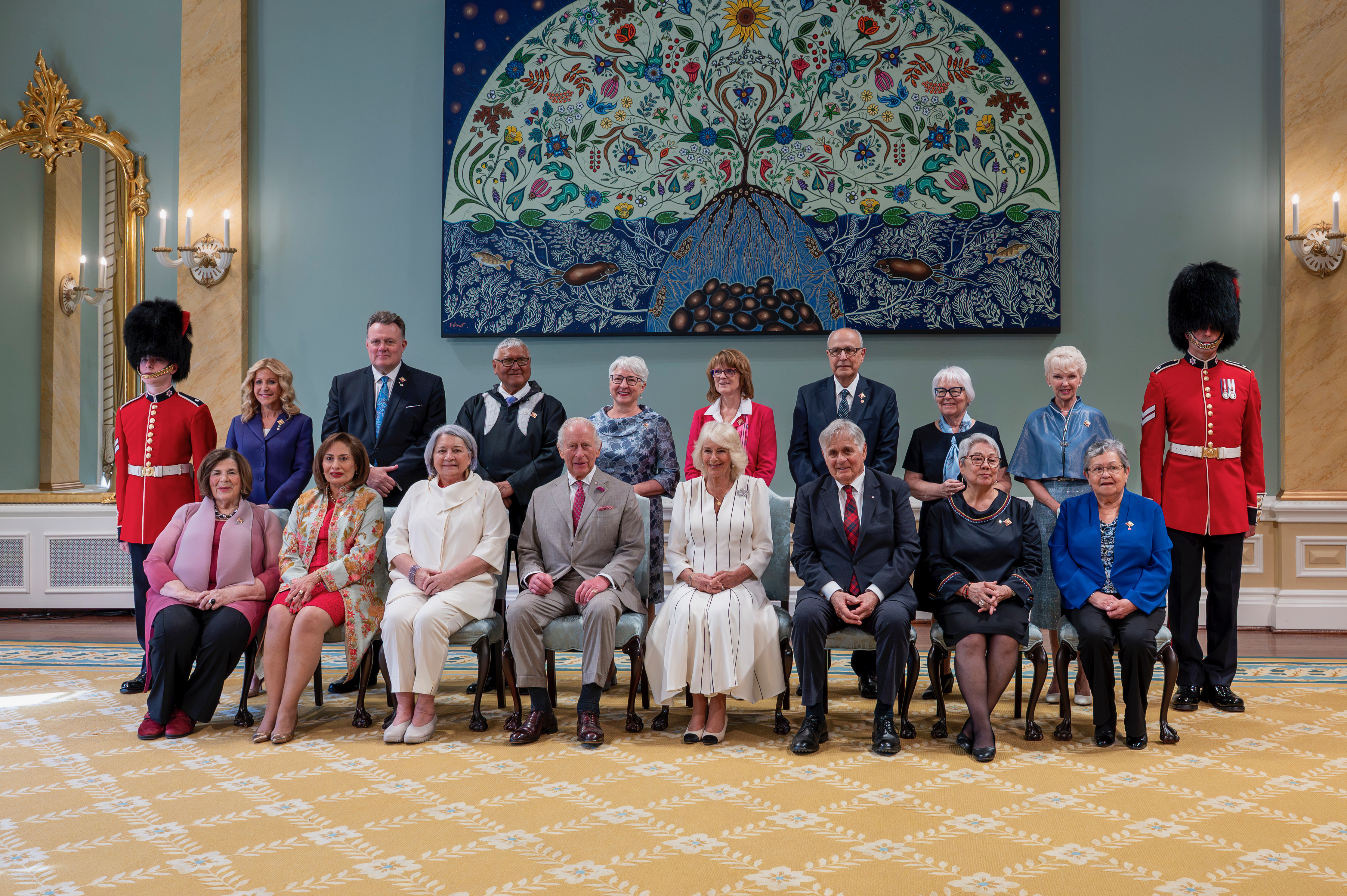
The ten Lieutenant Governors represent the Crown in each of the provinces.

The Parliament of Canada consists of the King, the Senate and the House of Commons.
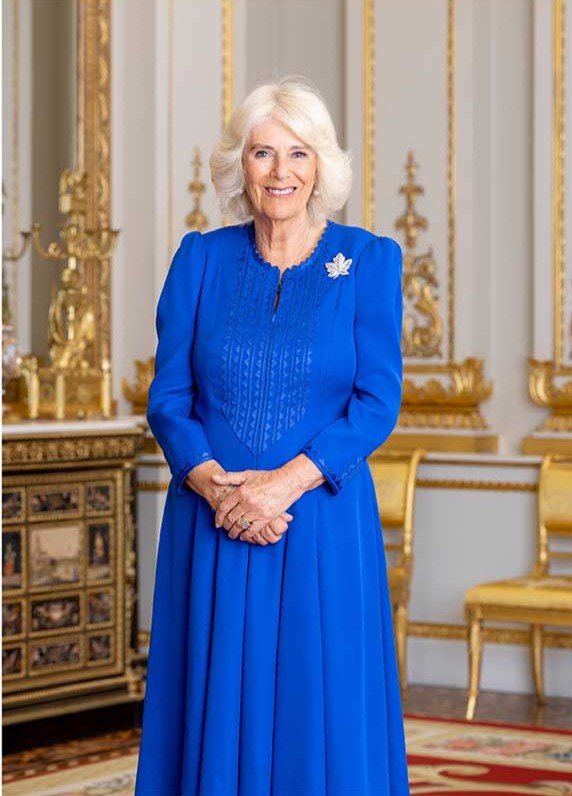
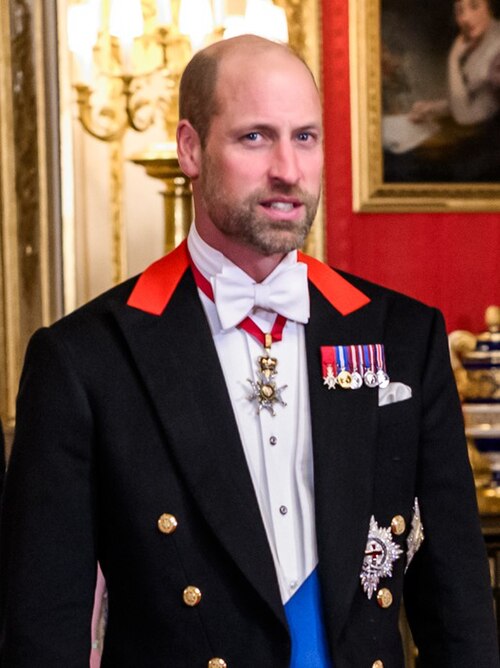





Canada is a constitutional monarchy. Since 1534, when the King of France claimed what is now Canada, our country's history has been marked by the successive reigns of French and British monarchs who profoundly influenced its development.
Queen Elizabeth II was the first Sovereign of Canada to be distinctly proclaimed Queen of Canada; in 1953, the Royal Style and Titles Act formally conferred upon her the title “Queen of Canada.” On 8 September 2022, she died peacefully at Balmoral Castle. His Majesty King Charles III succeeded her.
As the living embodiment of the Crown, the King unites Canadians, inspires a shared sense of belonging to our country and strengthens our national identity. New Canadians, Members of Parliament, military personnel and police officers swear an oath of allegiance to the King.

For more than seven decades, Queen Elizabeth II embodied service, continuity and duty. Her reign spanned profound social, political and technological change while maintaining a constant bond with Canada and its people.
The reign of Elizabeth II profoundly shaped the evolution of modern Canada. During her reign, Canada patriated its Constitution in 1982, a defining moment when the Queen herself came to Ottawa for the proclamation of the Constitution Act. She was also present for major national milestones, including the Centennial of Confederation in 1967 and the Montreal Olympic Games in 1976.
Over the course of her 22 official visits to Canada, Queen Elizabeth II developed a special relationship with Canadians, visiting every province and several territories. Her commitment to public and voluntary service made her a symbol of stability and continuity throughout her 70-year reign.
Throughout her reign, the Queen championed public and voluntary service around the world. Until late in her life, she was patron of more than 600 charities and organizations, including 36 in Canada, and she passed this sense of service on to members of the Royal Family.
Welcome to the Crown Society of Canada. We are a community of Canadians from all walks of life, united by pride in our constitutional monarchy and love of our institutions. Here, we celebrate our history, protect our heritage, and build together a future worthy of what we have inherited. Whether you already know the Crown or are discovering it for the first time, you are welcome among us.
Bienvenue à la Société de la Couronne du Canada. Nous sommes une communauté de Canadiennes et de Canadiens de tous horizons, unis par la fierté de notre monarchie constitutionnelle et par l'amour de nos institutions. Ici, on célèbre notre histoire, on protège notre patrimoine, et on bâtit ensemble un avenir digne de ce que nous avons reçu. Que vous connaissiez déjà la Couronne ou que vous la découvriez, vous êtes le bienvenu parmi nous.
Copyright © 2026 The Crown Society of Canada / La Société de la Couronne du Canada - All rights reserved.
Privacy Policy (EN)