
Our Representatives
The Governor General represents His Majesty the King in Canada, while the ten Lieutenant Governors represent the Crown in each province.
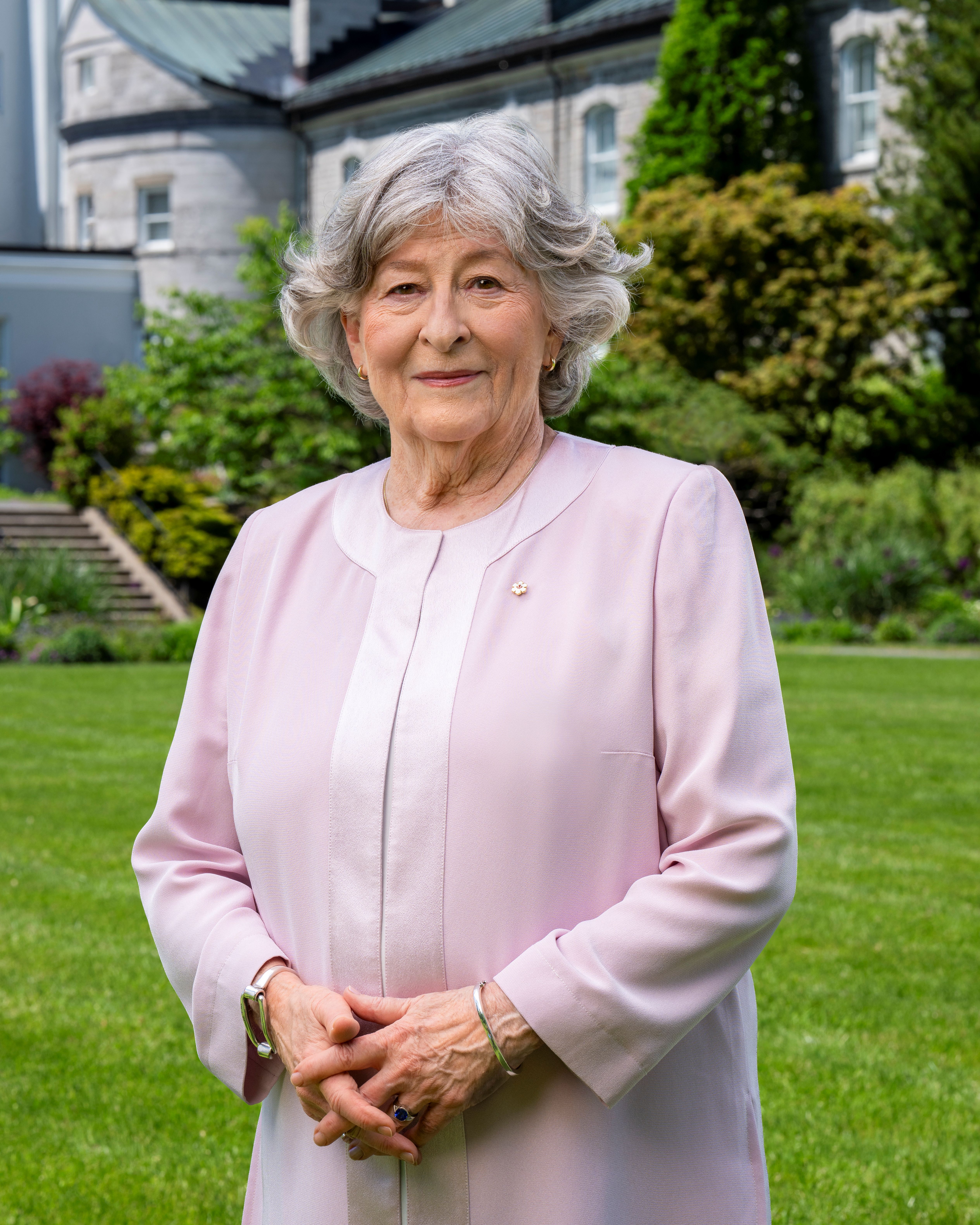
Her Excellency the Right Honourable Louise Arbour
The Governor General represents His Majesty the King of Canada at the federal level. The office is at the heart of the country's constitutional continuity and, on behalf of the Sovereign, carries out numerous parliamentary, ceremonial and military functions.
Her Excellency the Right Honourable Louise Arbour was sworn in on 8 June 2026 as Canada's 31st Governor General.
A Career in Law and Human Rights
Born in Montréal, Louise Arbour earned her law degree at the Université de Montréal in 1970. Following an academic and judicial career in Ontario, she served as Chief Prosecutor of the International Criminal Tribunals for the former Yugoslavia and Rwanda from 1996 to 1999.
She served on the Supreme Court of Canada from 1999 to 2004, then as United Nations High Commissioner for Human Rights from 2004 to 2008. Her career also includes leading the International Crisis Group and a United Nations mandate on international migration.
Read her official biography →She opens parliamentary sessions and reads the Speech from the Throne, which sets out the government’s priorities. She also summons, prorogues and dissolves Parliament, generally on the advice of the Prime Minister.
Once the House of Commons and the Senate have passed identical wording, Royal Assent turns the bill into law. Its provisions may nevertheless come into force at a later date.
She presents honours recognizing volunteering, bravery, service or excellence. These ceremonies highlight contributions that benefit communities and the country.
She maintains the link between the Crown and the Armed Forces, visits military personnel and recognizes their service. Direction and management of the Forces rest with the Chief of the Defence Staff, under the authority of the Minister.
The Office of Governor General
From the origins in New France to today’s officeholders: explore fourteen milestones by scrolling through the cards.
On your phone, swipe through the cards. Automatic scrolling pauses while you read with the pointer over the carousel or keyboard focus inside it.
Samuel de Champlain
The office’s origins reach back to New France. Champlain performed several responsibilities of a governor without officially holding the title, a legacy distinct from today’s federal office.
Official source →Lord Monck
With Confederation, Lord Monck becomes Canada’s first Governor General. He had previously been Governor of British North America.
Official source →Lord Stanley
Lord Stanley donates a trophy for Canada’s best amateur hockey club. It will become the famous Stanley Cup.
Official source →Lord Bessborough
His installation is the first broadcast by radio across the country. In 1932, he inaugurates the trans-Canada telephone network by calling the Lieutenant Governors.
Official source →The Letters Patent
George VI authorizes the Governor General to exercise the Sovereign’s powers concerning Canada within the framework of the Letters Patent. They also establish the office’s role as Commander-in-Chief.
Official source →Vincent Massey
Vincent Massey becomes the first Canadian-born person appointed Governor General. Since this appointment, all holders of the office have been Canadian citizens.
Official source →Georges Vanier
A military officer and diplomat, Georges Vanier takes office. With Pauline Vanier, he supports young people and families; their 1964 conference helps lead to the creation of the Vanier Institute of the Family.
Official source →Roland Michener
Roland Michener takes office during the centennial of Confederation. His term begins in a year filled with celebrations and visits by dignitaries.
Official source →Jeanne Sauvé
Jeanne Sauvé becomes Canada’s first woman Governor General. She had also been the first woman elected Speaker of the House of Commons and champions young people and peace.
Official source →Roméo LeBlanc
Born in Memramcook, New Brunswick, Roméo LeBlanc is the first Acadian Governor General and the first from the Maritimes. He arrives at Rideau Hall after a career in teaching, journalism and public life.
Official source →Adrienne Clarkson
Born in Hong Kong, Adrienne Clarkson arrives in Canada with her family as a refugee in 1942. She becomes Governor General in 1999.
Official source →Michaëlle Jean
Born in Haiti, Michaëlle Jean arrives in Canada in 1968 with her family, who are fleeing dictatorship. She takes office in 2005.
Official source →Mary Simon
Sworn in on 26 July 2021, Mary Simon becomes Canada’s first Indigenous Governor General. Her career is shaped by advocacy for Inuit rights and work on Arctic issues.
Official source →Louise Arbour
Louise Arbour becomes the 31st Governor General on 8 June 2026. Her career spans Canadian justice, international criminal law and the defence of human rights.
Official source →Principal Responsibilities of the Governor General
The Ten Lieutenant Governors
Each province has a Lieutenant Governor appointed by the Governor General on the advice of the Prime Minister of Canada. They represent His Majesty the King in their province.


The Honourable Wendy Cocchia
Official website →
The Honourable Wassim Salamoun
Official website →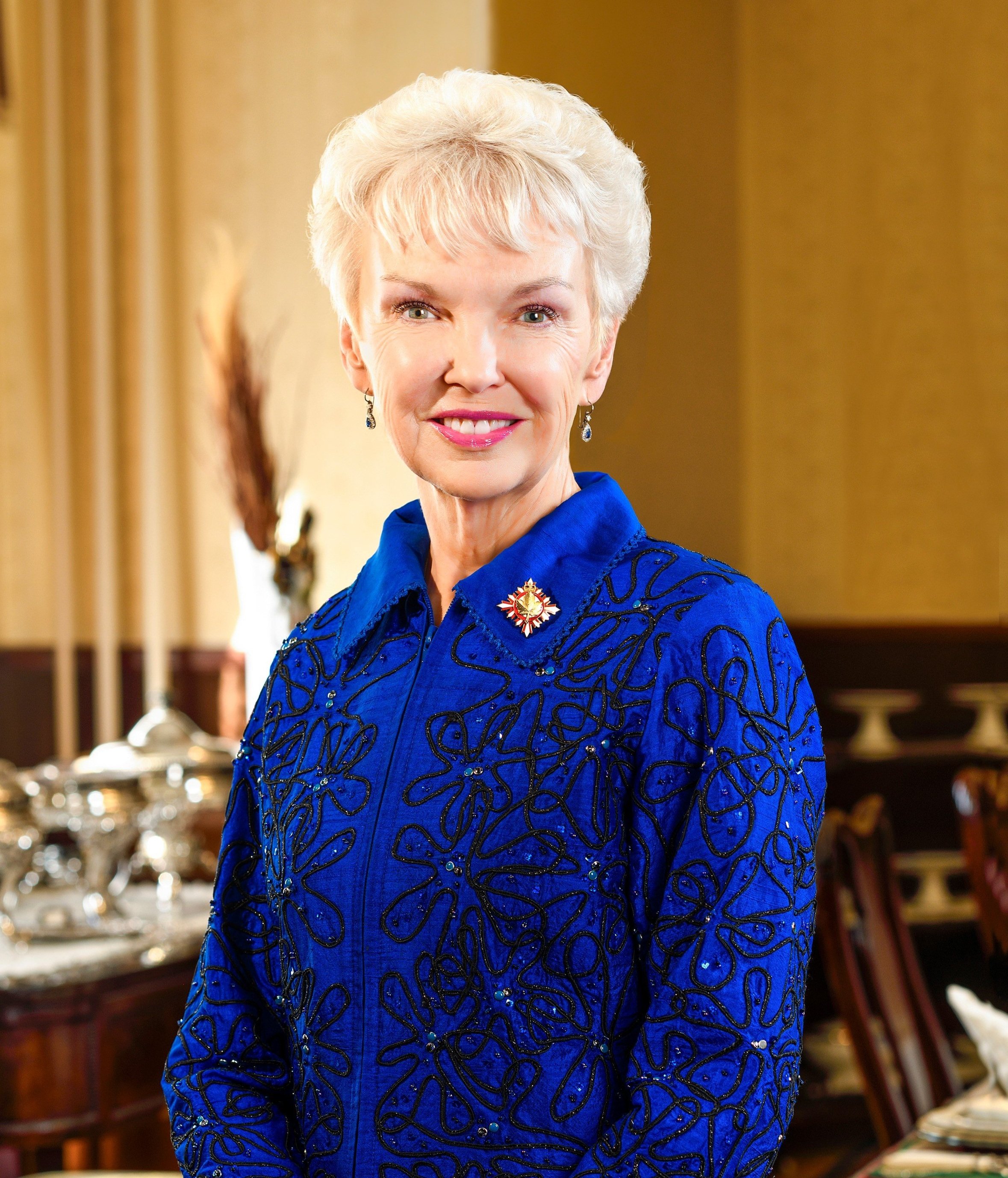
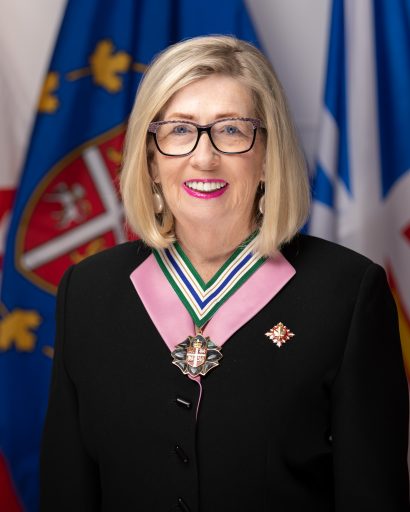
The Honourable Bernadette McIntyre
Official website →
The Honourable Joan Marie J. Aylward
Official website →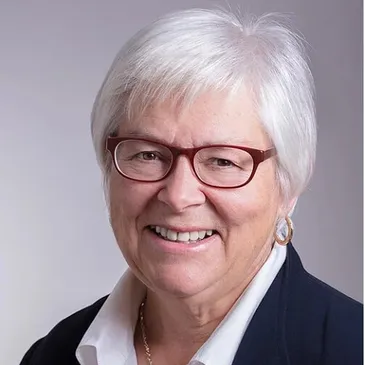
Territorial Commissioners
The Commissioners perform several functions comparable to those of Lieutenant Governors, but they are not representatives of His Majesty the King. They are appointed by the Governor in Council.

The Honourable Gerald W. (Gerry) Kisoun
Official website →

Canada, From Coast to Coast
From Rideau Hall to the ten provinces, the institutions of the Crown provide a constitutional and ceremonial presence across Canada. In the three territories, Commissioners perform several comparable functions within territorial government.
