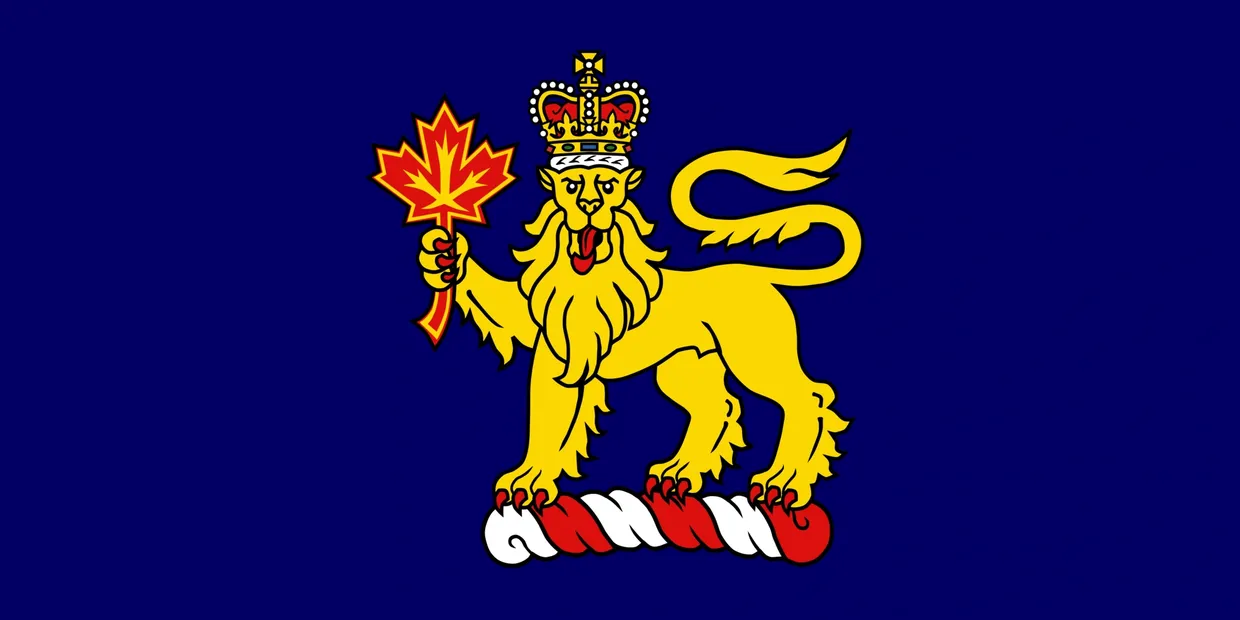
HIS MAJESTY'S REPRESENTATIVE IN CANADA
History of the Office of Governor General
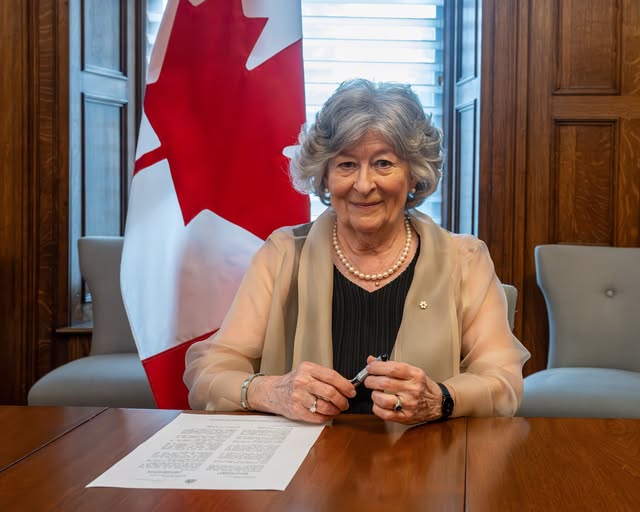
The Governor General represents His Majesty the King of Canada at the federal level. The office of Governor General is Canada's oldest institution, marking an unbroken link between the present day and the earliest European settlements in the country. Appointed Governor of New France in 1627, Samuel de Champlain was the first of 18 French governors who succeeded one another until 1760. From that date until Confederation in 1867, 21 British governors and governors general held this office in Canada. Before 1952, governors general were British. In 1952, the installation of Vincent Massey, the first Canadian to hold this position, reflected the new sense of autonomy and Canadian identity in that post-war period, as well as pride in the Crown in Canada.
Vincent Massey's appointment was significant, as it marked the beginning of the modern institution of Governor General, with a Canadian representing the King and assuming his responsibilities in Canada. Since then, the role of Governor General has evolved. The following are among the responsibilities Canada's governors general must fulfill, always on the King's behalf:
- Bestowing honours;
- Representing Canada abroad;
- Signing the credentials of Canadian diplomats;
- Signing treaties and declarations of war;
- Granting coats of arms to Canadians who request them.
Appointed by the King on the recommendation of the Prime Minister, the Governor General usually remains in office for five years. Lieutenant Governors fulfill the King's duties and responsibilities in the provinces in the same way the Governor General does at the national level.
The Governor General bears the title "His/Her Excellency" during their term in office, as does their spouse. The title "Right Honourable" is also conferred on them for life.
The Role and Responsibilities of the Governor General
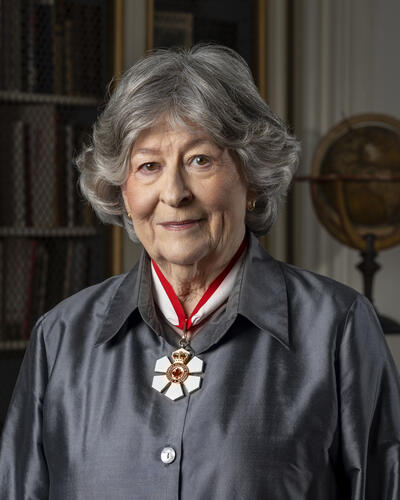
In 1947, the Letters Patent constituting the office of Governor General of Canada (under the reign of King George VI) authorized the Governor General to exercise most of the powers of the Crown on the sovereign's behalf.
Among the Governor General's parliamentary responsibilities are:
- summoning, proroguing, and dissolving Parliament;
- outlining the government's program by reading the Speech from the Throne;
- granting Royal Assent, which gives the force of law to bills passed by Parliament.
The Governor General is also Commander-in-Chief of Canada. They visit military bases and honour Canadian military personnel on the King's behalf. The Governor General also carries out ceremonial duties:
- fostering a sense of identity;
- recognizing the achievements of remarkable Canadians;
- receiving foreign dignitaries;
- travelling abroad as a representative of Canada;
- organizing and taking part in official events.
In exceptional cases, the Governor General may be absent, or the office of Governor General may be temporarily vacant. In such situations, the Letters Patent constituting the office of Governor General of Canada (1947) stipulate that the Chief Justice of the Supreme Court of Canada will assume the Governor General's duties on an interim basis, as Administrator of the Government of Canada, until the absent Governor General returns to the country and resumes their duties, or, in the case of a transition, until the designated Governor General has been appointed and sworn in as the new Governor General of Canada.
Source: The website of the Governor General of Canada and the Government of Canada

PROVINCIAL AND TERRITORIAL REPRESENTATIVES
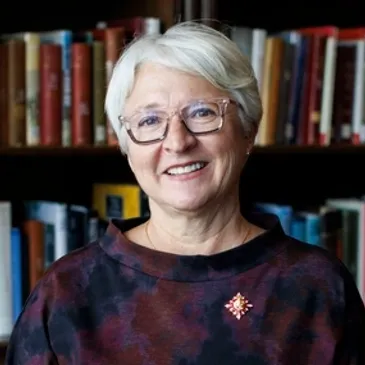

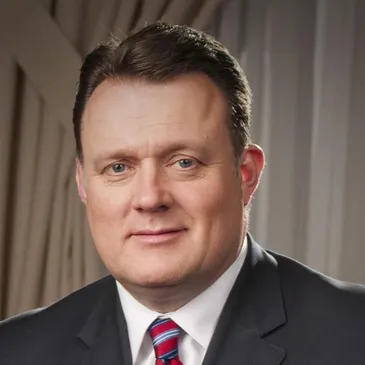
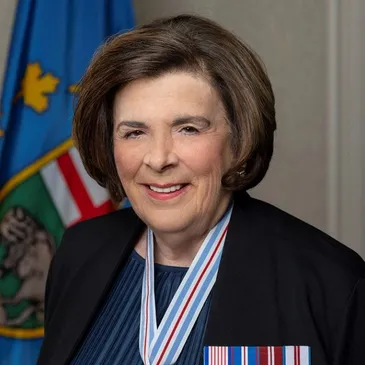

Her Honour the Honourable Wendy Cocchia, C.M., DStJ, O.B.C., LL.D. (Hon)
Lieutenant Governor of British Columbia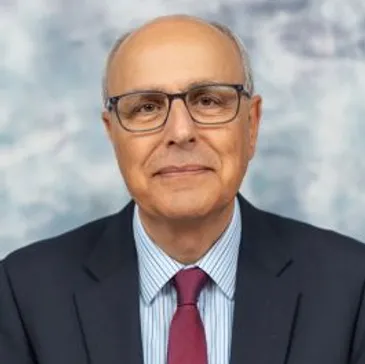


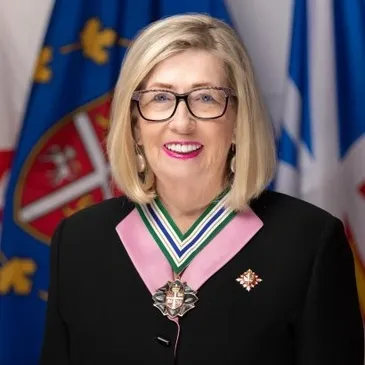
Her Honour the Honourable Joan Marie J. Aylward, DStJ, ONL
Lieutenant Governor of Newfoundland and Labrador

RESPONSIBILITIES
Role
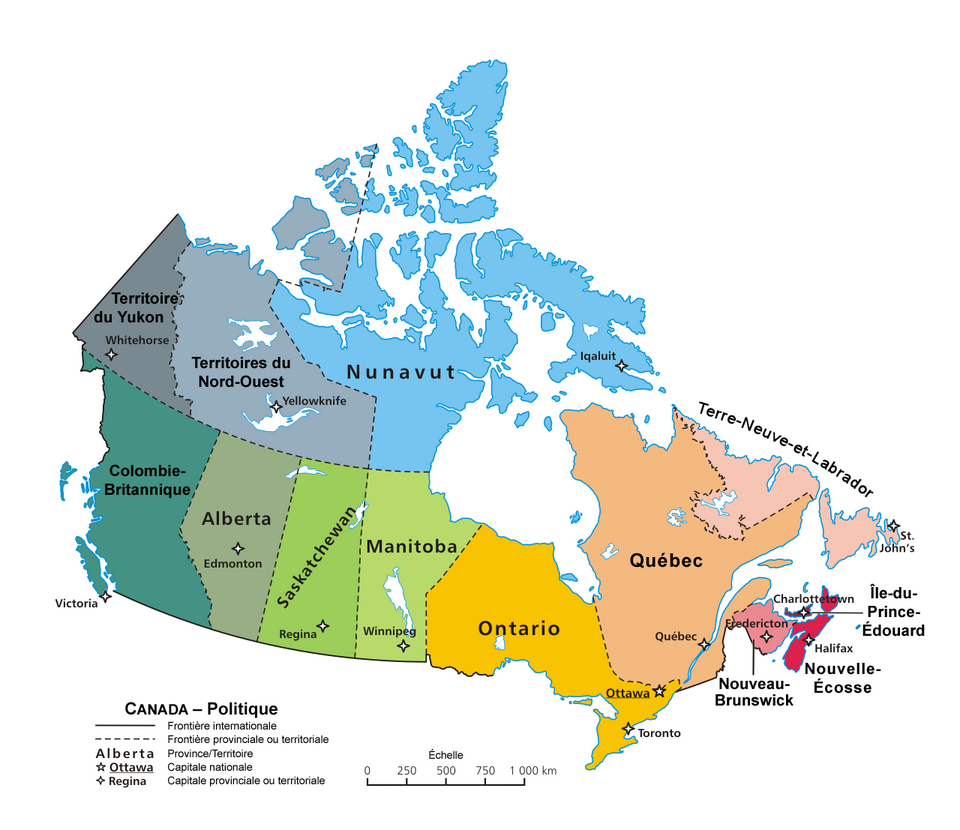
His Majesty the King is represented by ten Lieutenant Governors and three Commissioners at the provincial level. The Governor General, the Lieutenant Governors, and the territorial Commissioners meet annually to discuss matters of mutual interest and ways to better serve Canadians from coast to coast.
During their terms, Lieutenant Governors & Commissioners carry out the following responsibilities:
- granting Royal Assent to bills passed in provincial legislative assemblies before they become law;
- ensuring that functioning provincial governments are in place at all times;
- delivering the Speech from the Throne at the opening of new legislative sessions;
- dissolving governments when necessary;
- welcoming members of the Royal Family as well as foreign heads of state and dignitaries to their respective provinces;
- promoting and celebrating excellence by serving as honorary patrons and presenting honours.
Lieutenant Governors & Commissioners are the highest-ranking officials in their province and represent His Majesty the King there. They also carry out ceremonial and community duties, such as:
- Fostering a sense of identity;
- Acting as the King's representative in the province;
- Serving as the province's official host;
- Supporting social causes;
- Recognizing outstanding citizens.
After the passage of the British North America Act in 1867, Lieutenant Governors served as a liaison between the federal government and provincial governments, advising their respective provincial governments on federal laws. Now that provinces have jurisdiction over a greater number of regional matters, their role focuses mainly on their responsibilities as representatives of the sovereign and as the leading officials of the province.
- Source: Governor General of Canada
Appointment
Lieutenant Governors are appointed by the Governor General on the advice of the Prime Minister of Canada. They act as representatives of the sovereign for a term that normally lasts five years.
After taking office, they are granted the title "Honourable" for the rest of their lives. In conversation and correspondence, "Your Honour" is used to address the Lieutenant Governor as well as their spouse.
Learn more ›CANADA, FROM COAST TO COAST