
- Details
- Category: Uncategorised
The Crown Society of Canada
65 Nancy-Elliott Street #202, Gatineau, QC, Canada, J9H 0G3
+1 (418) 957-9118
Our Partners





- Details
- Category: Uncategorised

YOUR BENEFITS
MEMBERSHIP PRICING
Regular membership represents crucial support for the Crown Society of Canada. Select your membership type in the application form below.
*Bronze student members and Silver members of the Royal Canadian Legion must complete and submit the CSC – Proof of Discount Eligibility Form.
**By becoming a member, you accept our Privacy and Personal Information Protection Policy.
⚠️ Important — Automatic Renewal Subscription: At checkout, you can choose a one-time purchase (valid for one year) or an annual subscription that renews automatically each year. If you choose the automatic subscription and do not wish to renew it, you must cancel it at least 5 business days before the renewal date.
HOW TO BECOME A MEMBER
Two simple steps to join the Crown Society of Canada.
Fill Out the Form
Tell us a little about yourself and your motivation for joining the Society.
↓ Complete the form directly below ↓
Pay Your Membership Fee
After submitting your application, a payment button will appear automatically based on your membership selection.
MEMBERSHIP APPLICATION
Crown Society of Canada
- Details
- Category: Uncategorised
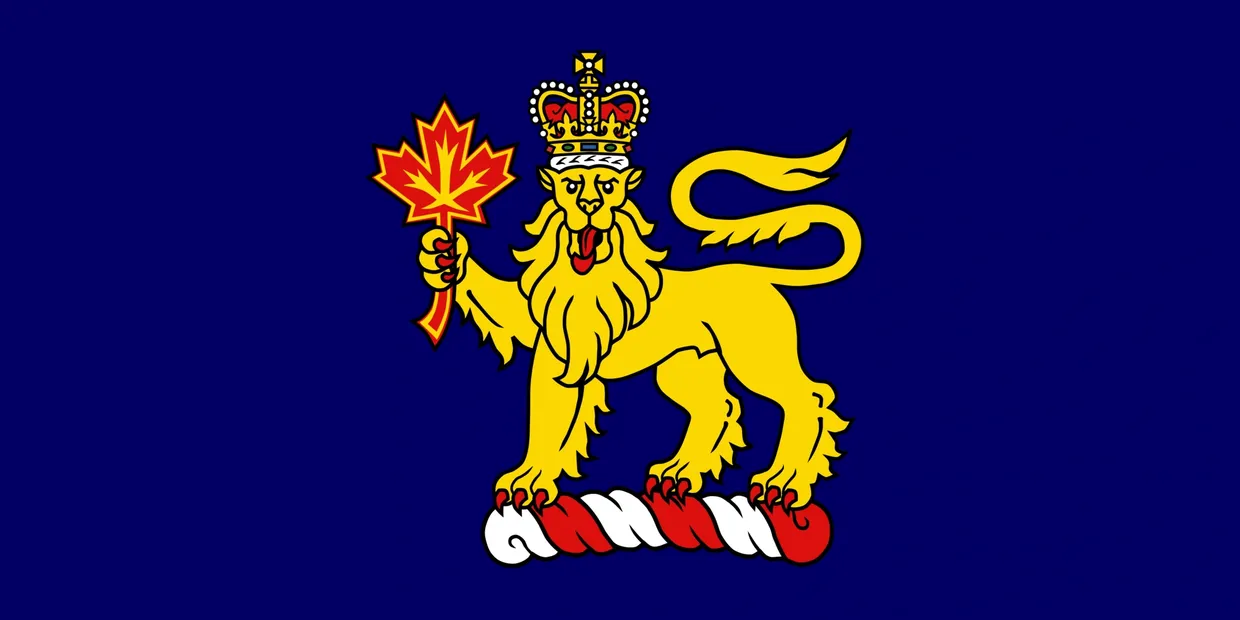
HIS MAJESTY'S REPRESENTATIVE IN CANADA
History of the Office of Governor General
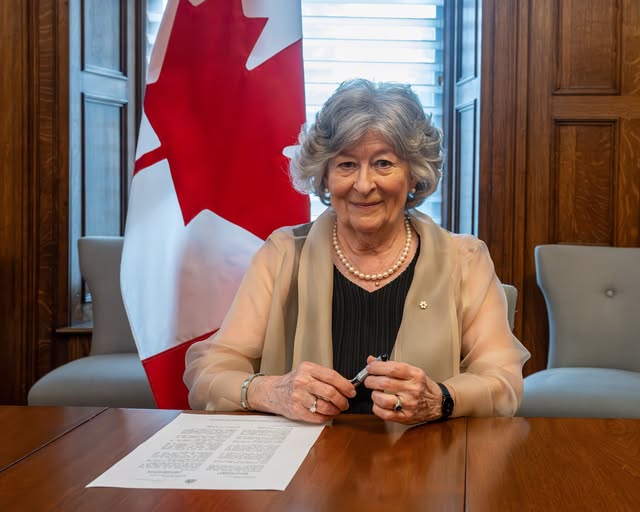
The Governor General represents His Majesty the King of Canada at the federal level. The office of Governor General is Canada's oldest institution, marking an unbroken link between the present day and the earliest European settlements in the country. Appointed Governor of New France in 1627, Samuel de Champlain was the first of 18 French governors who succeeded one another until 1760. From that date until Confederation in 1867, 21 British governors and governors general held this office in Canada. Before 1952, governors general were British. In 1952, the installation of Vincent Massey, the first Canadian to hold this position, reflected the new sense of autonomy and Canadian identity in that post-war period, as well as pride in the Crown in Canada.
Vincent Massey's appointment was significant, as it marked the beginning of the modern institution of Governor General, with a Canadian representing the King and assuming his responsibilities in Canada. Since then, the role of Governor General has evolved. The following are among the responsibilities Canada's governors general must fulfill, always on the King's behalf:
- Bestowing honours;
- Representing Canada abroad;
- Signing the credentials of Canadian diplomats;
- Signing treaties and declarations of war;
- Granting coats of arms to Canadians who request them.
Appointed by the King on the recommendation of the Prime Minister, the Governor General usually remains in office for five years. Lieutenant Governors fulfill the King's duties and responsibilities in the provinces in the same way the Governor General does at the national level.
The Governor General bears the title "His/Her Excellency" during their term in office, as does their spouse. The title "Right Honourable" is also conferred on them for life.
The Role and Responsibilities of the Governor General
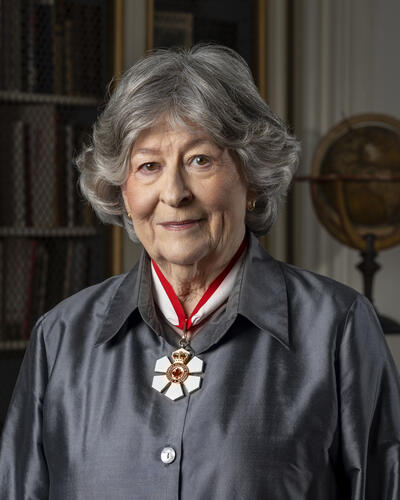
In 1947, the Letters Patent constituting the office of Governor General of Canada (under the reign of King George VI) authorized the Governor General to exercise most of the powers of the Crown on the sovereign's behalf.
Among the Governor General's parliamentary responsibilities are:
- summoning, proroguing, and dissolving Parliament;
- outlining the government's program by reading the Speech from the Throne;
- granting Royal Assent, which gives the force of law to bills passed by Parliament.
The Governor General is also Commander-in-Chief of Canada. They visit military bases and honour Canadian military personnel on the King's behalf. The Governor General also carries out ceremonial duties:
- fostering a sense of identity;
- recognizing the achievements of remarkable Canadians;
- receiving foreign dignitaries;
- travelling abroad as a representative of Canada;
- organizing and taking part in official events.
In exceptional cases, the Governor General may be absent, or the office of Governor General may be temporarily vacant. In such situations, the Letters Patent constituting the office of Governor General of Canada (1947) stipulate that the Chief Justice of the Supreme Court of Canada will assume the Governor General's duties on an interim basis, as Administrator of the Government of Canada, until the absent Governor General returns to the country and resumes their duties, or, in the case of a transition, until the designated Governor General has been appointed and sworn in as the new Governor General of Canada.
Source: The website of the Governor General of Canada and the Government of Canada

PROVINCIAL AND TERRITORIAL REPRESENTATIVES
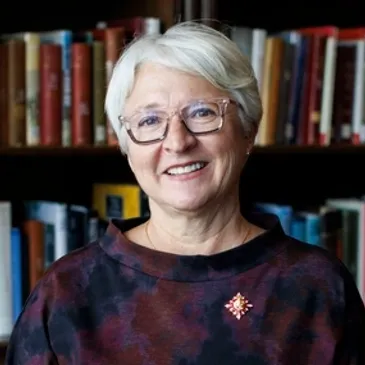

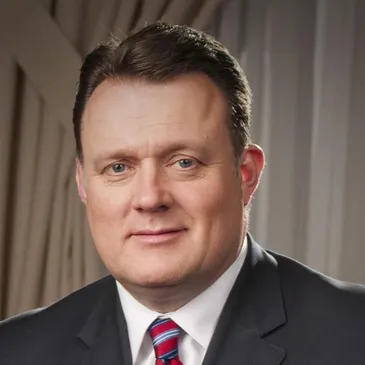
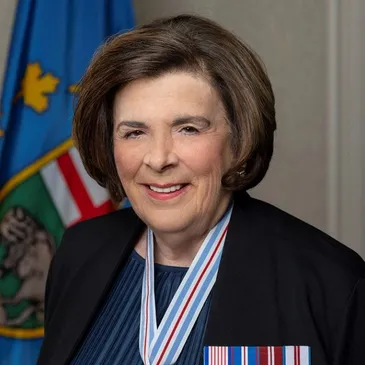

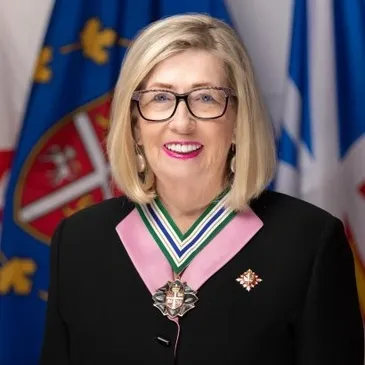
Her Honour the Honourable Wendy Cocchia, C.M., DStJ, O.B.C., LL.D. (Hon)
Lieutenant Governor of British Columbia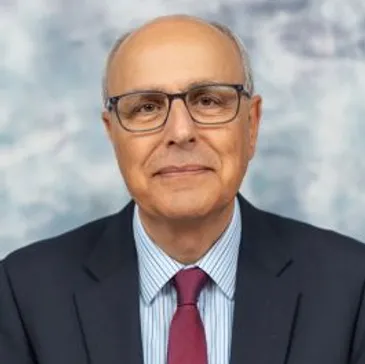

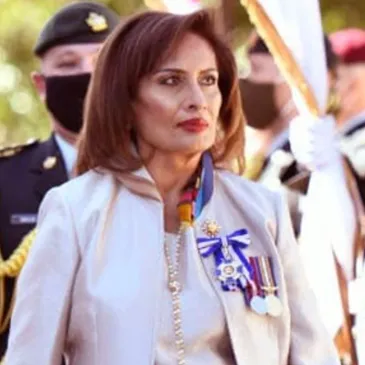
Her Honour the Honourable Joan Marie J. Aylward, DStJ, ONL
Lieutenant Governor of Newfoundland and Labrador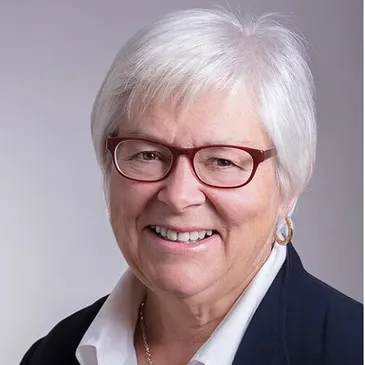
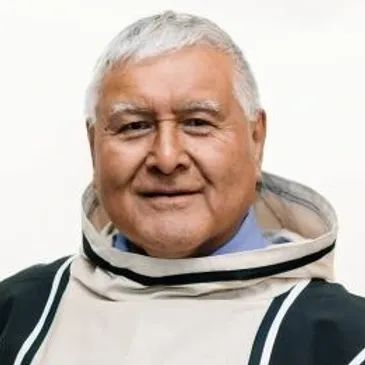

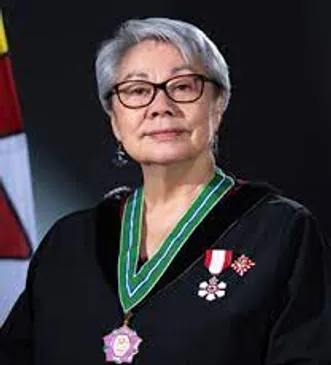
RESPONSIBILITIES
Role
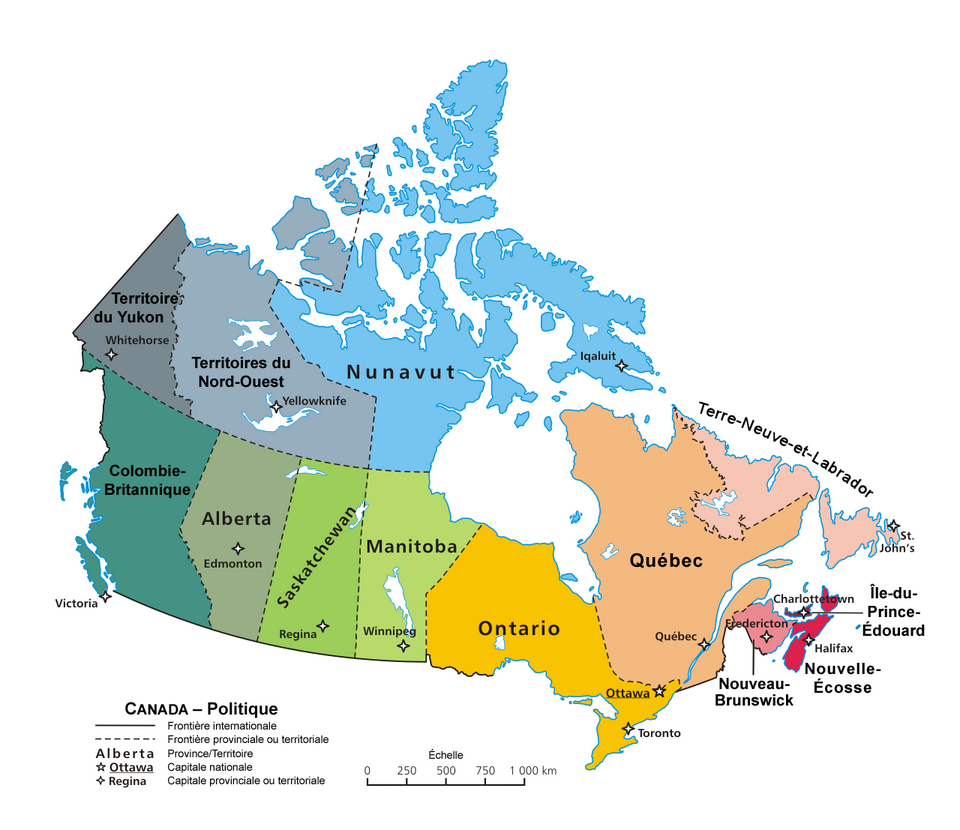
His Majesty the King is represented by ten Lieutenant Governors and three Commissioners at the provincial level. The Governor General, the Lieutenant Governors, and the territorial Commissioners meet annually to discuss matters of mutual interest and ways to better serve Canadians from coast to coast.
During their terms, Lieutenant Governors & Commissioners carry out the following responsibilities:
- granting Royal Assent to bills passed in provincial legislative assemblies before they become law;
- ensuring that functioning provincial governments are in place at all times;
- delivering the Speech from the Throne at the opening of new legislative sessions;
- dissolving governments when necessary;
- welcoming members of the Royal Family as well as foreign heads of state and dignitaries to their respective provinces;
- promoting and celebrating excellence by serving as honorary patrons and presenting honours.
Lieutenant Governors & Commissioners are the highest-ranking officials in their province and represent His Majesty the King there. They also carry out ceremonial and community duties, such as:
- Fostering a sense of identity;
- Acting as the King's representative in the province;
- Serving as the province's official host;
- Supporting social causes;
- Recognizing outstanding citizens.
After the passage of the British North America Act in 1867, Lieutenant Governors served as a liaison between the federal government and provincial governments, advising their respective provincial governments on federal laws. Now that provinces have jurisdiction over a greater number of regional matters, their role focuses mainly on their responsibilities as representatives of the sovereign and as the leading officials of the province.
- Source: Governor General of Canada
Appointment
Lieutenant Governors are appointed by the Governor General on the advice of the Prime Minister of Canada. They act as representatives of the sovereign for a term that normally lasts five years.
After taking office, they are granted the title "Honourable" for the rest of their lives. In conversation and correspondence, "Your Honour" is used to address the Lieutenant Governor as well as their spouse.
Learn more ›CANADA, FROM COAST TO COAST
- Details
- Category: Uncategorised
THE CROWN IN CANADA
The Crown
Canada is a constitutional monarchy. The Crown in Canada was first established by the Kings of France in the 16th century, as a province of the Kingdom of France. Kings and Queens of France and England have reigned over Canada since 1534. Under the reign of Canada's sovereigns, the country evolved from a French colony into an independent nation.
Canada's Head of State
In today's constitutional monarchy, His Majesty King Charles III is the King of Canada and Canada's Head of State. He embodies the Crown in Canada. Within the system of government, the Crown holds the power to govern but entrusts it to the government, which exercises it on behalf of and for the benefit of the people.
The Governor General and the Lieutenant Governors
The Governor General and the ten Lieutenant Governors represent the Crown in Canada and act on behalf of the King. The role and responsibilities of the Governor General consist of carrying out several functions on the King's behalf.
The Parliament of Canada
The Parliament of Canada is composed of the King, the Senate, and the House of Commons. In the provinces, the legislatures are composed of the Lieutenant Governor and the elected assembly.
- Source: Government of Canada
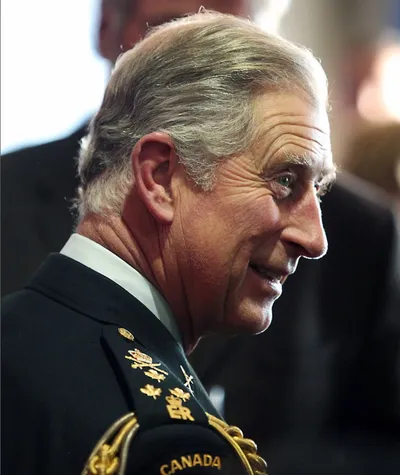
The Canadian Royal Family
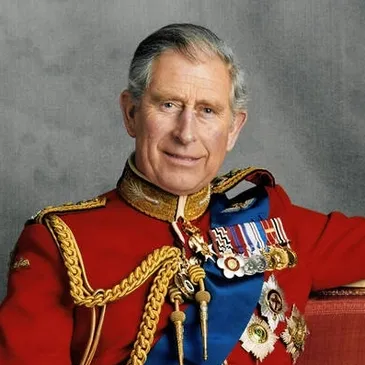
His Majesty, King Charles III
King of Canada, the United Kingdom, and 13 other Commonwealth realms. The King is Honorary Colonel-in-Chief of seven Canadian military regiments, and serves as patron or president of more than 400 charitable organizations around the world, including The Prince's Foundation in Canada.
November 14, 1948 (76 years old)
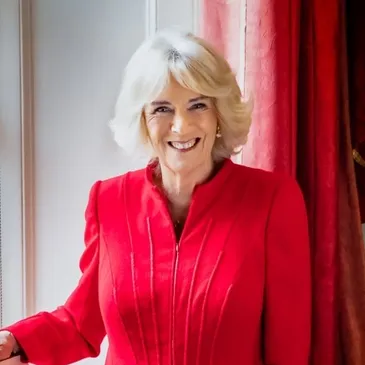
Her Majesty, Queen Camilla
Queen Consort of Canada, the United Kingdom, and 13 other Commonwealth realms. The Queen has a family connection to Canada dating back to the 19th century. Today, the Queen also serves as Colonel-in-Chief of The Queen's Own Rifles of Canada.
July 17, 1947 (74 years old)
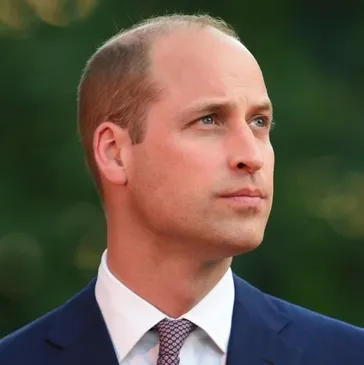
His Royal Highness The Prince of Wales (William)
The Prince of Wales is first in the line of succession to the Throne of Canada, the United Kingdom, and the 13 other Commonwealth realms.
June 21, 1982 (42 years old)

Her Royal Highness The Princess of Wales (Catherine)
The Princess of Wales, born "Kate," became world-famous for her dedication to various charitable causes and her sense of style.
January 9, 1982 (43 years old)
The Monarch
His Majesty King Charles III, King of Canada
Canada is a constitutional monarchy. Since 1534, when the King of France claimed what is now Canada, our country's history has been marked by the uninterrupted reign of monarchs, both French and British, who have had a profound influence on our country's development. As a constitutional monarch, the King no longer "reigns" over the country, but he remains part of our system of government and our identity as Canada's Head of State.
Queen Elizabeth II was the first of Canada's sovereigns to be distinctly proclaimed Queen of Canada; in 1953, the Royal Style and Titles Act officially conferred upon Elizabeth II the title of "Queen of Canada." On September 8, 2022, Queen Elizabeth II passed away peacefully at Balmoral Castle. His Majesty King Charles III succeeded her.
As the living embodiment of the Crown, the King unites Canadians, inspires a collective sense of belonging to our country, and strengthens our national identity and pride. New Canadians, members of the federal Parliament, provincial and territorial legislatures, military personnel, and police officers all swear an oath of allegiance to the King.



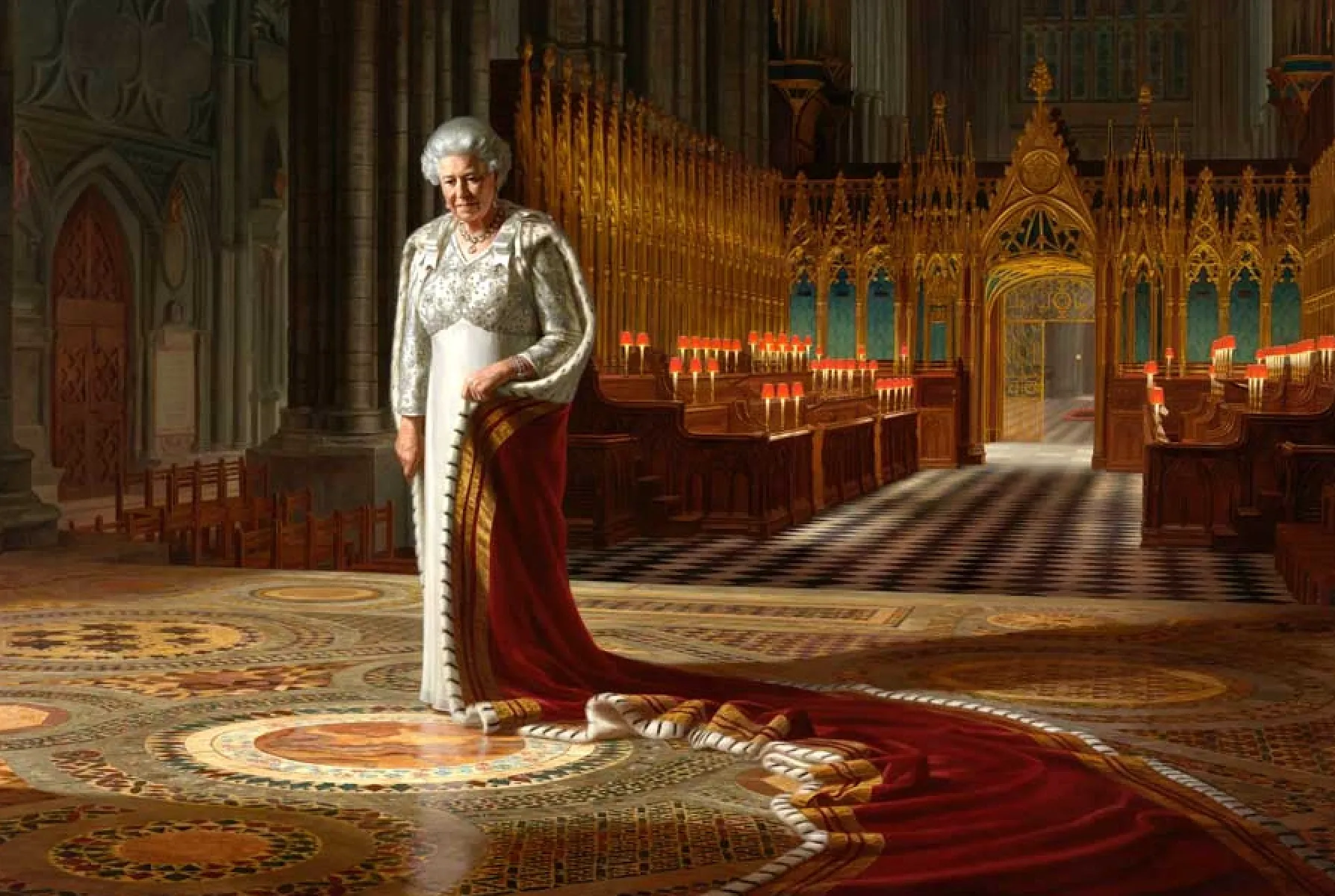
A GLOBAL QUEEN
70 Years of Devotion
Continuing to amaze us after all these years of faithful service to humanity, our country, our constitution, our Armed Forces, and Canadians, Queen Elizabeth II kept leading by example.
Indeed, after safeguarding democracy under 15 British prime ministers, 16 Australian prime ministers, 18 New Zealand prime ministers, and 13 Canadian prime ministers; after contributing to the Second World War effort and meeting the planners of the D-Day landings; after meeting the Kennedy family and building diplomatic relationships with nearly all their successors, as well as the leaders of 117 other countries; Queen Elizabeth II continued to honour her oath for more than 25,782 days.
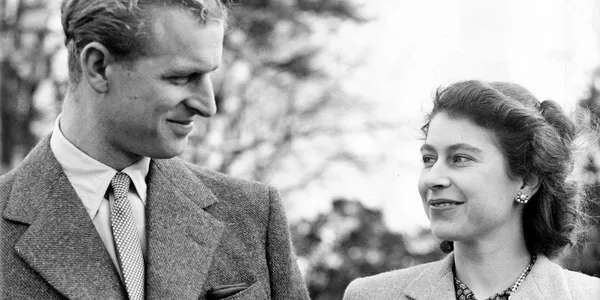
70 Years of Service
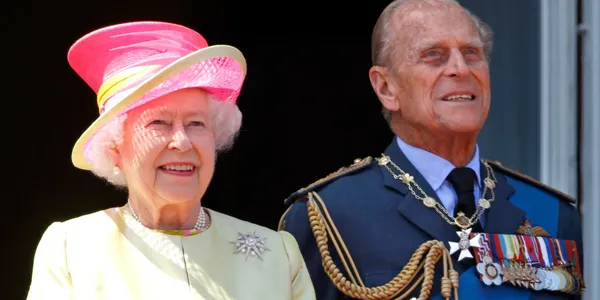
Not long ago, the 70th anniversary of Queen Elizabeth II's accession to the throne resonated around the world. Throughout her reign, the Queen championed public and volunteer service everywhere.
Until very recently, she was patron of more than 600 charities and organizations, including 36 in Canada, such as the Canadian Cancer Society and the Canadian Nurses Association. She passed on this sense of service to all members of the Royal Family.
- Details
- Category: Uncategorised
OUR GRAND COUNCIL:
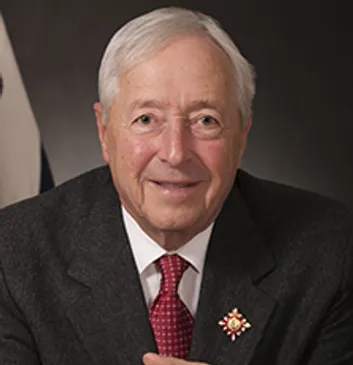
The Honourable J. Michel Doyon
K.C., B.A., LL. L., Ph. D., Ad. E.
29th Lieutenant Governor of Quebec and Special Advisor
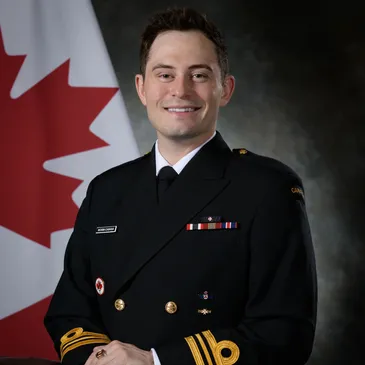
LCdr Thomas Morin-Cabana
MStJ, BAScM, KCStG
Founder & National President
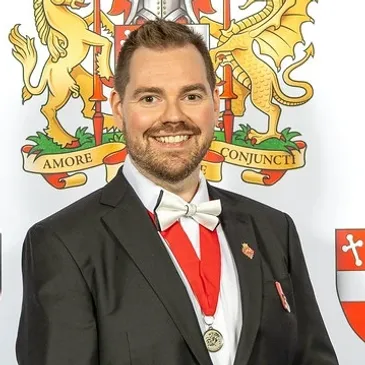
Mr. Marc-André Rheault
Vice-President and National Operations Coordinator

Mr. Charles-Olivier Murray
National Chancellor

LCol (ret.) Charles Côté
OMM, CD
National Membership Coordinator

MWO Mikey Colangelo Lauzon
KStG
Assistant National Membership Coordinator

Mr. Maxime Grenier
Assistant National Activities Coordinator
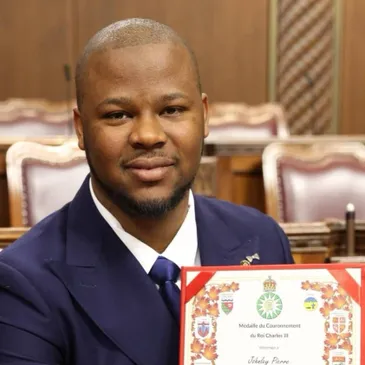
Johnley Pierre
Assistant National Activities Coordinator

Mr. Garrick Ngai
National Coordinator of Public Affairs and Media

Maj. Charles Paquin
CD, A de C, KStG
National Multimedia Production Coordinator
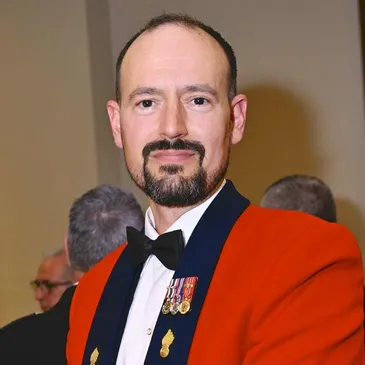
Lieutenant-Colonel Vincent Gagnon
CD, A de C
Co-Coordinator of Special Projects
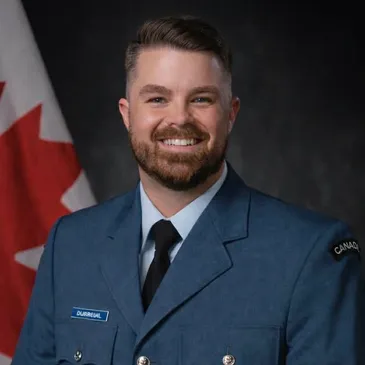
Capt Charles Dubreuil
Co-Coordinator of Special Projects
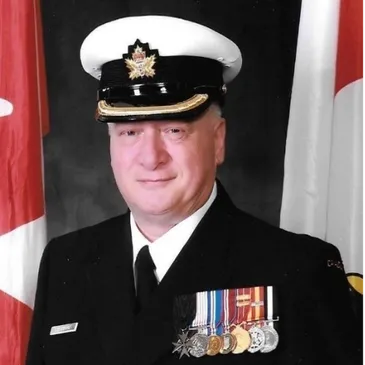
Lt(N) (ret.) Pierre Lefebvre
MStJ, CD, Admin.A, CFO
Co-National Coordinator of External Affairs
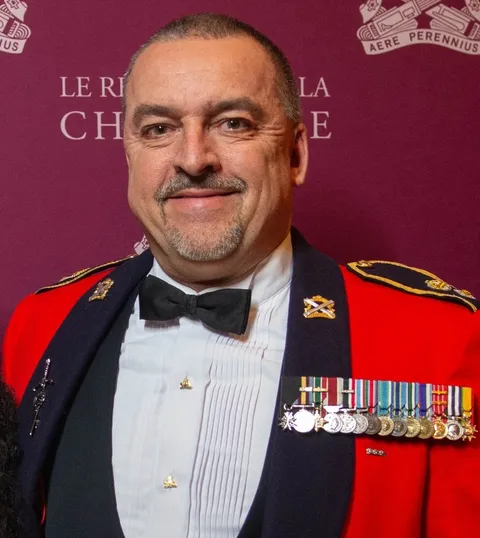
LCol (ret.) François Provost
MStJ, CD
Co-National Coordinator of External Affairs
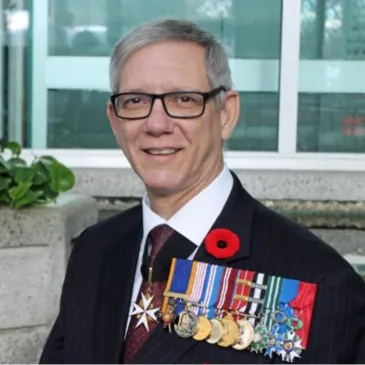
Dr. André M. Levesque
OMM, KStJ, OOnt, CD, FRSA
Special Advisor
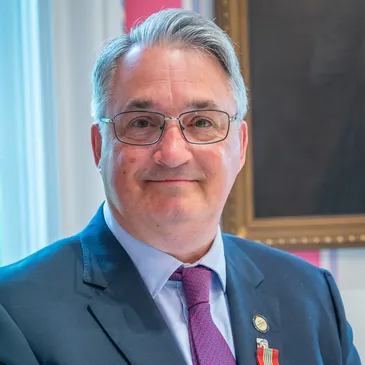
Mr. Dominique Bellemare
KStG
Co-Coordinator of Educational Services
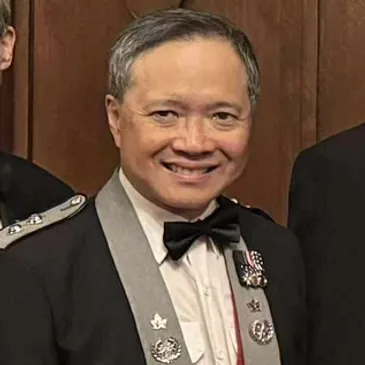
Mr. Derwin Mak
Co-Coordinator of Educational Services
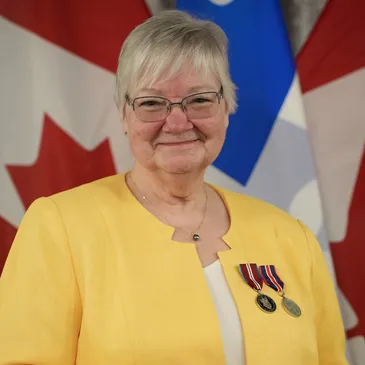
Mrs. Estelle Bouthillier
Expert Analyst on Monarchies
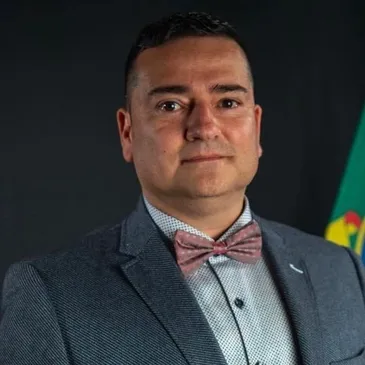
Capt Javier Rey
KStG
Advisor, Quebec City
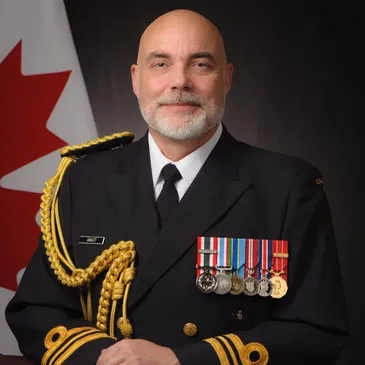
LCdr Patrick Goulet
LL.B., CD, A de C, KStG
Advisor, National Capital Region

Vacant
Advisor, Greater Montreal Region
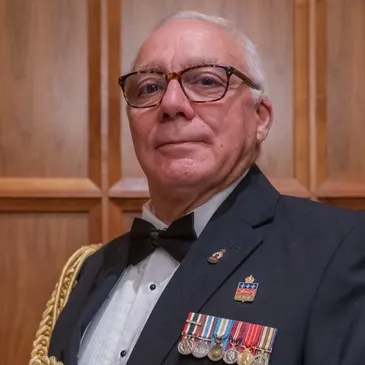
Mr. Guy Doiron
CD, KStG
Advisor, Eastern Quebec and Webmaster
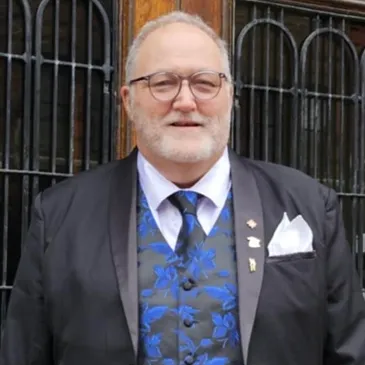
Steve Lambert
Advisor, New Brunswick

Daniel Hendrickson
Advisor, Greater Toronto Area
Vacant
Advisor, City of Kingston
Vacant
Advisor, Southern Ontario

LCol Michel Tousignant
MStJ, CD
Special Advisor, London, United Kingdom
Welcome to the Crown Society of Canada. We are a community of Canadians from all walks of life, united by pride in our constitutional monarchy and love of our institutions. Here, we celebrate our history, protect our heritage, and build together a future worthy of what we have inherited. Whether you already know the Crown or are discovering it for the first time, you are welcome among us.
Bienvenue à la Société de la Couronne du Canada. Nous sommes une communauté de Canadiennes et de Canadiens de tous horizons, unis par la fierté de notre monarchie constitutionnelle et par l'amour de nos institutions. Ici, on célèbre notre histoire, on protège notre patrimoine, et on bâtit ensemble un avenir digne de ce que nous avons reçu. Que vous connaissiez déjà la Couronne ou que vous la découvriez, vous êtes le bienvenu parmi nous.
Copyright © 2026 The Crown Society of Canada / La Société de la Couronne du Canada - All rights reserved.